Dreamcatcher Embroidery Design Review
As a professional embroidery designer who has spent years translating digital concepts into tangible threads for small business owners, I approach every new machine embroidery design with a critical eye. The goal is never just to create something that looks good on a screen; the goal is to ensure it performs flawlessly in production environments. Today, I am reviewing the Dreamcatcher Embroidery Design, a file categorized under Religion and spiritual symbolism but marketed as a versatile asset for modern branding. For boutique owners, Etsy sellers, and apparel decorators, understanding how this specific embroidery file translates from a digital download to a finished product is the difference between a premium brand image and a frustrating production error.
First Impressions: A Modern Twist on Spiritual Symbolism
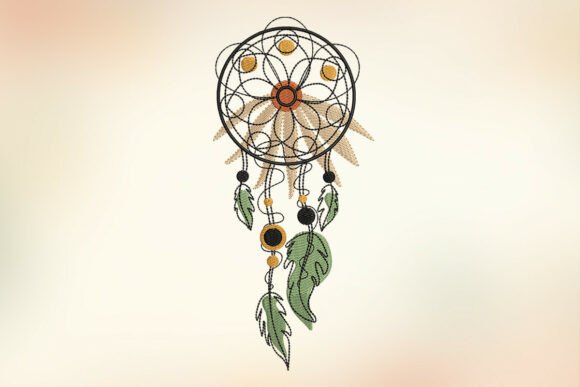
Upon opening the Dreamcatcher Embroidery Design, the immediate impression is one of balanced complexity. The description promises a "unique and modern" look that has been manually drafted, and this manual touch is evident in the flow of the lines. Unlike many automated vector-to-stitch conversions that result in jagged edges or unnecessary jumps, this design feels intentional. It carries an air of elegance and rustic charm simultaneously, making it incredibly adaptable. It does not feel overly religious in a dogmatic sense; rather, it taps into the broader cultural appreciation for protection, dreams, and mindfulness. This makes it a powerful tool for building a brand identity that feels grounded, spiritual, and welcoming without alienating a secular audience.
The visual weight of the design suggests it is built for impact. The interplay between the web structure and the hanging elements creates a natural focal point. For a handmade brand or a creative studio, this aesthetic aligns perfectly with the "slow living" movement. However, as a designer, my first thought is always about scalability. Does the intricate web hold up when scaled down? Does the negative space remain clear? These are the questions that determine whether this digital embroidery file is ready for your small business merch.
Performance in Real Business Applications
When we move from the screen to the hoop, the true value of the Dreamcatcher Embroidery Design becomes apparent. I have evaluated its potential across several key categories for commercial use. One of the most promising applications is the embroidered patch. The circular nature of the dreamcatcher fits perfectly within standard patch shapes. Imagine a local coffee shop or a yoga studio adding these patches to their staff aprons. The design adds a layer of artisanal quality that screen printing simply cannot achieve. The texture of the thread catches the light, signaling to customers that this is a handmade product with care put into every detail.
For custom apparel, particularly work shirts and tote bags, this design shines. A tote bag design featuring the Dreamcatcher can serve as a walking billboard for a bookstore or a florist. The organic lines of the design soften the often rigid structure of canvas bags. Similarly, using this as a chest logo accent on denim jackets or flannel shirts for a boutique's seasonal collection can elevate the perceived value of the garment. Customers are willing to pay more for items that feature high-quality commercial embroidery because it signals durability and exclusivity.
In the realm of event merchandise and customer gifts, the Dreamcatcher Embroidery Design offers a unique selling proposition. Instead of generic branded swag, a business could offer embroidered caps or hair accessories featuring this motif. The design works exceptionally well as a cap embroidery element, provided the size is managed correctly. It transforms a standard promotional item into a collectible piece of art that people actually want to wear.
Critical Considerations for Production Success
While the design is robust, there are specific scenarios where caution is required. As a designer, I must advise against using this file for extremely small patch sizes without modification. The delicate strands of the web require sufficient space to stitch out clearly. If you attempt to shrink this design to fit a tiny cuff or a buttonhole, the stitch density may become too high, leading to puckering or thread breakage. Always test the minimum viable size before committing to a bulk run.
Another area requiring attention is the choice of fabric and color contrast. On dark uniforms, the intricate details of the dreamcatcher might get lost if the thread colors are not carefully selected. A satin stitch outline in a contrasting color can help define the shape against black or navy backgrounds. Furthermore, on textured fabrics like heavy wool or thick fleece, the fine details of the webbing might not sit flat. In these cases, a heavier stabilizer is non-negotiable to prevent the fabric from distorting during the stitching process.
Frequent washing is also a factor. Items like aprons or kitchen towels undergo rigorous cleaning cycles. Ensure that the design is anchored securely and that the thread tension is dialed in perfectly. Loose ends in the web section can snag over time, degrading the look of the finished product. Always perform a wash test on a sample piece before launching a full collection.
Impact on Brand Identity and Customer Trust
The decision to use the Dreamcatcher Embroidery Design goes beyond aesthetics; it influences how customers perceive your brand. High-quality embroidery communicates professionalism and attention to detail. When a customer touches the raised texture of the embroidery on a tote bag or cap, they subconsciously associate that tactile experience with the quality of your service or products. This builds trust and encourages repeat business.
For brands in the wellness, spirituality, or artisan sectors, this design reinforces core values. It tells a story of protection and creativity. By incorporating this into your design assets, you create visual consistency across your marketing materials, packaging accents, and physical merchandise. This consistency is vital for recognition. Whether it is a printable mockup used on your website or the actual embroidered item in a customer's hand, the message remains clear and cohesive.
Practical Designer Notes for Implementation
To ensure the best results with the Dreamcatcher Embroidery Design, follow these practical steps:
- Test in Black and White First: Before choosing your palette, stitch out a version in a single neutral color to check the structural integrity and spacing of the stitches.
- Verify Hoop Size: Confirm that your machine's hoop can accommodate the full width of the design without distortion. Do not force a large design into a small hoop.
- Select the Right Stabilizer: Use a cutaway stabilizer for stretchy knits and a tear-away or heat-away for wovens to ensure the design lays flat.
- Create Mockups for Approval: Generate a high-quality printable mockup showing the design on your specific product. This helps clients visualize the final result and reduces the risk of errors.
- Check Licensing: Since this is intended for business use, confirm the commercial licensing terms. Ensure you have the right to use the design on items you sell for profit.
- Compare Assets: Place the Dreamcatcher design beside other logos or text to ensure it balances well visually. It should complement, not overpower, your brand name.
The Dreamcatcher Embroidery Design is a versatile and compelling option for businesses looking to add a touch of soul and craftsmanship to their merchandise. By respecting its technical requirements and leveraging its aesthetic strengths, you can create custom apparel and branded goods that stand out in a crowded market. Whether for a bakery's apron line or a boutique's holiday collection, this design offers a pathway to elevated brand presentation and deeper customer engagement.