Bad Day to Be a Hotdog Retro Embroidery Review
As an embroidery designer who has spent years curating collections for small boutique brands, I approach every new machine embroidery design with a critical eye. Today, I am evaluating the Bad Day to Be a Hotdog Retro Embroidery file specifically for an upcoming limited sweatshirt drop. The goal is to determine if this playful concept can translate into a premium, commercial-grade product that resonates with our target audience of creative entrepreneurs and handmade enthusiasts.
First Impressions: Mood and Aesthetic
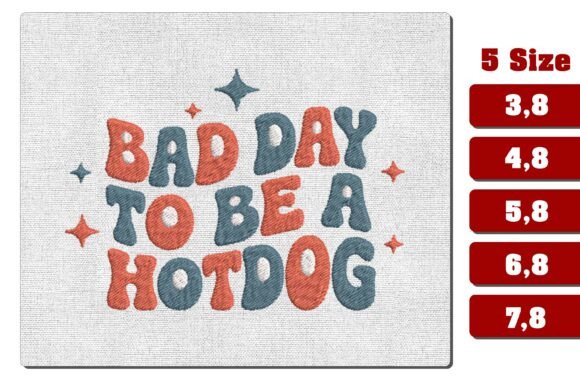
The initial view of the Bad Day to Be a Hotdog Retro Embroidery design immediately signals a shift toward fun, nostalgic branding. The retro typography paired with the whimsical hotdog motif creates a distinct visual personality. It feels less like a generic graphic and more like a statement piece designed to spark conversation. For a boutique brand aiming to stand out in a saturated market, this level of character is essential. The layout appears balanced, suggesting that it will hold up well even when scaled down for sleeve accents or expanded for a bold back print.
The mood is undeniably playful yet grounded in a vintage aesthetic. This combination works exceptionally well for seasonal apparel, particularly around summer festivals or casual weekend wear. While the product category lists Independence Day, the versatility of the design suggests it could easily transcend a single holiday. The "retro" element gives it a timeless quality that fits perfectly within the current trend of 90s-inspired fashion. When visualizing the finished product on a high-quality cotton blend, the design promises to add a layer of texture and depth that flat printing simply cannot achieve.
Evaluating Fabric and Placement Strategy
When planning a sweatshirt collection, fabric choice is paramount. I envision the Bad Day to Be a Hotdog Retro Embroidery looking striking on neutral tones like heather grey, oatmeal, or cream. These colors allow the thread colors to pop without overwhelming the wearer. However, the design also holds potential for dark fabrics like charcoal or navy, provided the stitch density is managed correctly to prevent shadowing.
For placement, the chest area of a hoodie is the most logical starting point. The design's composition seems optimized for a standard left-chest pocket placement, which is a staple for custom apparel. Alternatively, centering it on the front of an oversized hoodie would create a bold, modern look. For those seeking subtlety, scaling the design down for a sleeve accent could offer a unique touch that elevates the perceived value of the garment. The key is ensuring the hoop size accommodates the specific placement without distorting the fabric texture.
Color Theory and Thread Selection
One of the most exciting aspects of using a digital embroidery file is the ability to customize thread colors. For this project, I would lean into warm, saturated tones—mustard yellows, deep reds, and burnt oranges—to enhance the retro vibe. Contrast is crucial here; the background of the design must be clearly defined against the sweatshirt material. If the base fabric is too busy, the intricate details of the hotdog illustration might get lost. Therefore, selecting solid, matte fabrics is recommended to ensure the stitching stands out as the focal point.
Technical Considerations for Production
Before moving to production, any serious Etsy seller or shop owner must address technical constraints. The description notes that this machine embroidery design comes in multiple sizes, which is a significant advantage for creating varied SKUs. However, it is vital to verify the stitch density at different scales. High-density areas can cause puckering on thick sweatshirt fleece, so testing on a scrap piece of the actual fabric is non-negotiable.
Stabilizer choice will play a massive role in the final outcome. For heavy hoodies, a cut-away stabilizer is likely necessary to support the weight of the stitches and ensure washing durability. Without proper backing, the design may pucker or lose definition after the first wash, damaging the brand's reputation. Additionally, checking the small-size readability is important if you plan to use this as a logo tag or small detail. Ensure that the lettering remains legible and the hotdog shape does not become muddy when reduced.
Commercial Viability and Brand Identity
Integrating Bad Day to Be a Hotdog Retro Embroidery into a product line does more than just decorate a shirt; it strengthens brand identity. In the world of handmade products, uniqueness sells. This design offers a narrative hook that customers can connect with. It feels personal and curated, which are key drivers for buyer trust in small shops. When customers see a detailed, professionally embroidered item, they perceive higher value compared to screen-printed alternatives.
For lifestyle product photography, the texture of the embroidery adds a tactile dimension that photos can capture beautifully. Close-up shots highlighting the thread work can significantly boost customer engagement on social media and online listings. Using a printable mockup that showcases the design on various sweatshirt styles can help visualize the potential before committing to inventory. This strategic presentation helps position the item as a desirable piece of commercial embroidery rather than just a craft project.
Final Verdict for Boutique Creators
The Bad Day to Be a Hotdog Retro Embroidery design is a strong contender for any small clothing brand looking to inject personality into their summer or casual collections. Its retro charm combined with the flexibility of multiple sizes makes it a versatile asset for apparel decorators. Whether you are creating a full line of custom hoodies or offering one-off gifts, this design has the potential to become a signature piece.
However, success lies in the execution. Pay close attention to your stabilizer, test your thread contrast, and ensure the hoop placement aligns with the garment's structure. By treating this digital embroidery file with professional care, you can transform a simple graphic into a premium finished product that customers will love to wear and share. For the independent creator, this design represents an opportunity to blend humor, style, and craftsmanship into a cohesive brand story.